

Unforgettable Family Adventure Canada Pacific Coast Awaits
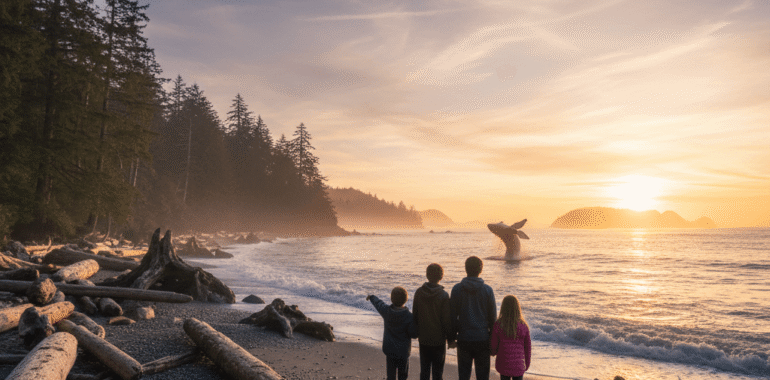
Unforgettable Family Adventure Canada Pacific Coast Awaits
Families looking for an unforgettable outdoor trip will find a wealth of options along the Canadian west coast. This stretch of shoreline combines rainforest, ocean, mountains, and small towns that welcome kids with activities that range from gentle beachcombing to whale watching. With thoughtful planning a family can pack a single trip with nature moments, cultural stops, and quiet downtime that works for toddlers through teens.
This article lays out practical ideas and specific tips to help families plan a safe and memorable escape. You will read about best times to travel, family friendly activities, sample itineraries that consider driving times, wildlife viewing basics, and budget minded suggestions to keep the trip fun without stress. Use these recommendations to shape a trip that suits your family pace and interests.
Why the Pacific shore is ideal for families seeking memorable nature time
The western coastline offers variety in short distances which is important for families with limited time. In one day you can move from a sandy cove where kids build forts to a rainforest trail under towering cedars. Trails are often well maintained and many parks provide interpretive signs that make walks engaging for young learners. Wildlife sightings are common with sea birds, seals, and on many days whales and porpoises visible from shore.
Safety and accessibility are strengths here. Many communities have visitor centres and local outfitters that rent gear such as kayaks and child life vests. Ferry routes are frequent enough to make island hopping simple. For families who prefer small steps instead of big logistical changes each day there are excellent basecamp choices that provide easy day trips to beaches, museums, and short hikes.
Best seasons and weather tips for family comfort
Choosing the right season makes the difference between rain soaked plans and a pleasant, mostly dry trip. The warmest and driest months are typically July to early September. These months offer long daylight hours and calmer seas which increases the chance of seeing marine wildlife from shore or from a short boat trip. Shoulder months of May June and September can be quieter and still quite pleasant with fewer crowds.
Weather can change quickly. Pack layers including waterproof jackets and a warm mid layer. For kids bring quick drying clothes and a small daypack with snacks water and a compact rain cover. Footwear with good grip matters on wet logs and rocky beaches. If a route includes ferries check schedules and have a backup activity in town in case a crossing is delayed.
Family friendly activities that create lasting memories
Choose activities that balance excitement with rest so little ones do not get overwhelmed. Here are ideas that work well together on a single trip.
- Beach exploration with tide pooling and simple scavenger hunts that look for shells seaweed and different rock types.
- Short guided wildlife tours on small boats where guides explain behaviour and safety. Pick tours that advertise kid friendly options and life jacket sizes for children.
- Easy boardwalk hikes through coastal rainforest where interpretive panels add interest for curious kids.
- Visit to local aquariums or marine centres that explain local species and offer touch tanks for hands on learning.
- Kayak or canoe trips in calm sheltered waters. Rental shops often provide tandem kayaks for a parent and child and also offer instruction time suitable for beginners.
Mix active days with quieter afternoons at a park or small museum. That rhythm keeps energy steady and reduces the risk of cranky evenings. For meal planning check local farmers markets for fresh produce and beach side cafes that welcome families with kids menus and outdoor seating.
Sample 7 day family plan with practical timings
Below is a sample itinerary designed for minimal daily driving and maximum outdoor time. Distances are modest and each day includes a primary activity and an optional easier alternate for lower energy days.
Day 1 to Day 3 basecamp and easy exploration
Settle into a comfortable base near a coastal town with grocery options and a playground. Daytime activities include a short beach visit a boardwalk forest trail and a local marine centre. Reserve a calm boat tour for the second day when kids are acclimated. Alternate option is a picnic and sand play for a rest day.
Day 4 to Day 5 island or coastal loop
Take a short ferry crossing to an island for two nights. Choose lodging close to services and a few nearby walks. Plan one longer beach exploration day and one gentle kayak or interpretive walk with a ranger. Aim for simple meals in a rented kitchen to ease timing around naps and early bedtimes.
Day 6 offers a cultural stop with visits to a small museum and local artisan shops where children can see how local crafts are made. Finish Day 7 with a relaxed return to your base town for a final beach sunset and an easy dinner before travel.
Wildlife viewing tips for families that increase chances of sightings
Respect wildlife by keeping distance and keeping noise levels low. Early morning or late afternoon are often best for spotting animals. Bring binoculars with a simple neck strap and teach kids basic viewing etiquette such as staying seated or quiet near viewing spots.
- If whale watching choose a short trip and let children know what to expect before boarding. Motion sickness prevention can make a big difference
- Seal and sea lion rookeries are visible from many headlands. Use designated viewpoints to reduce disturbance
- Birdwatching is easy from beaches and estuaries. A quick list of common species will make sightings more rewarding for children
Planning and logistics including where to find extra help
Start by mapping the driving or ferry time between planned stops keeping daily travel under two hours where possible. Consider the pace that works best for your family and choose a hub with services for multi day basecamp travel. For detailed regional resources and family specific advice visit a dedicated family travel resource that lists kid friendly trails ferry tips and wildlife viewing recommendations such as this Canada Pacific Coast link which provides extra reads and local contacts for bookings.
When booking lodging look for units with kitchen facilities laundry and easy parking. Small rental homes and family suites in inns often provide better flexibility than a single hotel room. Book activities at least a few weeks ahead during busy months and ask about cancellation policies in case weather forces a change of plans.
Budget tips and ways to keep kids engaged without spending more
Set a daily budget with categories for food activity fees transportation and small souvenirs. To reduce activity fees mix paid guided tours with free options such as beach days and town playgrounds. Pack a kit of travel friendly games a binocular set a small magnifying glass and a journal so kids can record sights. Those simple supplies turn waiting times into an educational highlight and provide a sense of continuity across days.
- Prepare picnic lunches from local markets to save on restaurant meals
- Join community events or low cost ranger programs that offer guided walks and talks
- Buy a single family pass for national or provincial parks if visiting several sites to reduce entrance fees
Safety and health practicalities for coastal family travel
Have a basic first aid kit including blister treatment allergy medication and waterproof bandages. Know the location of the nearest clinic at each overnight stop and carry photocopies of health cards and emergency contacts. When swimming or paddling always choose supervised beaches and check local tide charts before entering tidal areas. Teach children how to move off wet slippery rocks and to never follow wildlife into the water.
Sun protection matters even on overcast days. Pack hats sunscreen and long sleeve swim shirts for kids. For motion sensitive travellers bring medication ginger candies or acupressure bands. If allergies are a concern check menus ahead and speak with lodging hosts about kitchen sanitation practices.
How to keep the trip meaningful long after you return
Encourage kids to keep a shared photo album or scrapbook with tickets maps and small finds from the trip. On return set aside an evening to look through the journal and photos and have each child pick a favorite moment to tell at dinner. These small rituals help extend the benefits of the trip and make future planning easier since you will know what activities resonated most.
With planning that matches your family rhythm the Canadian west coast offers a range of options that suit young children and older kids alike. The combination of short travel times outdoor learning and accessible wildlife viewing makes it a strong choice for families seeking time together in nature.
Ready to plan your own family escape Take a look at resources and suggested itineraries to refine timing and bookings. With the right preparation you can reduce surprises and focus on the moments that matter most like spotting a whale from shore or seeing a child collect a perfect shell. Start by choosing dates that match your energy level pick a friendly basecamp and schedule at least one guided outing to make wildlife viewing easier. Then pack smart include reliable layers and simple entertainment for travel times and let the coast do the rest. Book an activity or lodging early and get your family calendar set so everyone has something to look forward to.